


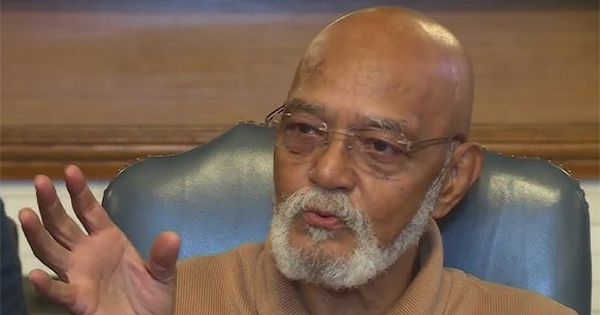
Nationwide — Elwood Jones, an African American man from Ohio who spent nearly 3 decades on death row, is suing former police officers over claims they fabricated evidence that led to his wrongful conviction. Prosecutors later dismissed the murder case after new evidence showed he likely did not commit the crime.
Jones spent 27 years behind bars after he was convicted in the 1994 killing of Rhoda Nathan, a 67-year-old woman found dead in her room at an Embassy Suites hotel in the city of Blue Ash. He had worked at the hotel for about two years before he became the main suspect in the case.
A court overturned Jones’ conviction in 2022, and prosecutors officially dismissed the murder charges in 2025 after reviewing new evidence. Hamilton County prosecutors said they no longer believed Jones committed the crime.
According to USA Today, the lawsuit, filed July 24 in federal court in Cincinnati, names nine former Blue Ash police officers involved in the investigation. Jones accuses them of mishandling evidence, failing to pursue other suspects, and relying on a flawed investigation that led to his conviction.
The lawsuit states police failed to properly preserve important evidence from the hotel crime scene, including bloody footprints and towels. Jones’ attorneys claim investigators focused on him early in the investigation and ignored evidence that pointed toward other possible suspects.
The lawsuit also questions the discovery of a pendant found inside Jones’ car after police searched the vehicle. Prosecutors presented the pendant during his trial as evidence linking him to Nathan’s death, but Jones’ attorneys argue the circumstances surrounding its discovery were inconsistent and suggest it may have been planted.
Jones’ attorneys also claim police withheld important evidence before his 1996 trial, including information about other possible suspects and a tip about another person who allegedly confessed to the murder. They argue that the undisclosed evidence could have affected the outcome of the case.
The lawsuit further alleges investigators ignored medical evidence that could have supported Jones’ innocence, including information related to Nathan’s Hepatitis B infection. Jones’ attorneys claim a proper review of the evidence would have prevented him from being charged.
Blue Ash officials declined to comment on the allegations, saying the city would respond through the court process. Jones has also filed a separate lawsuit seeking compensation from the state of Ohio for the years he spent imprisoned.