


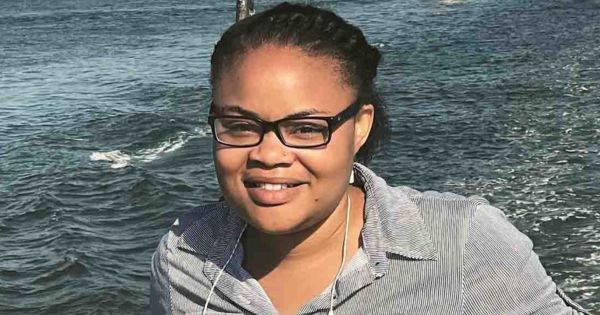
Nationwide — The family of Atatiana Jefferson, an African American mother from Fort Worth, Texas, who was shot and killed by a police officer in October 2019, has reached a proposed $11.25 million settlement with the city. The agreement comes nearly six years after her death.
Fort Worth and Jefferson’s estate announced the proposed civil rights settlement in a joint statement. The Fort Worth City Council is expected to consider the agreement on Aug. 25, and a probate court must also approve it before the deal becomes final, according to Dallas News.
Jefferson was 28 when former Fort Worth police Officer Aaron Dean shot her. She was at her mother’s home with her 8-year-old nephew, Zion Carr, when Dean fired through her bedroom window from the backyard. A neighbor had called the police non-emergency line that night. Jefferson and Carr were playing video games with the doors open and the lights on after they burned hamburgers and left the house open to clear out the smoke.
Dean fired one shot through the bedroom window, killing Jefferson. A jury found him guilty of manslaughter in 2022, and he received a sentence of 11 years, 10 months, and 12 days in prison.
Under the proposed $11.25 million settlement, most of the money will go to Jefferson’s two nephews. Their shares will remain in trusts until they turn 18, while the remaining money will be divided among other family members. The agreement comes after Fort Worth paid Carr $3.5 million in 2023. His lawsuit focused on the emotional and mental distress he experienced after witnessing the shooting.
Jefferson’s attorneys said she was caring for her mother and nephew at the time of her death. She grew up in Dallas’ Oak Cliff neighborhood, graduated from Xavier University of Louisiana, and hoped to become a doctor. Her sister, Ashley Carr, said the family has continued to focus on accountability and keeping Jefferson’s memory alive.
“For us, accountability has never been about a single verdict, sentence, or settlement. It has always been about ensuring that Atatiana’s life mattered, that what happened to her was acknowledged, and that her life was remembered,” Carr said.