


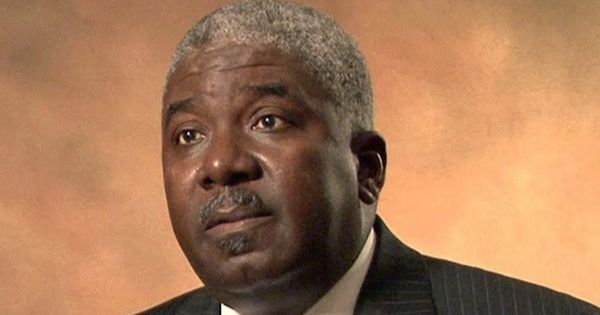
Nationwide — Christian Emmanuel Sanon, a pastor from Florida who is Haitian-American, has been convicted of federal charges tied to the 2021 assassination of Haitian President Jovenel Moïse. A federal jury in Miami found him guilty after nearly eight weeks of testimony about a plot to remove Moïse from power and install a new leader in Haiti. He was facing eight charges, including conspiring to kill Moïse and conspiring to kidnap or kill someone outside the United States. Prosecutors said he helped finance the operation and arrange travel and accommodations for people involved. He also served as the conspirators’ original choice to replace the Haitian president. He now faces a possible life sentence, according to CNN.
The plan began taking shape in April 2021, when Sanon met with a former Haitian senator and several U.S. businesspeople in South Florida. According to court records, the group discussed giving government contracts to two Florida companies, Counter Terrorist Unit Federal Academy and Counter Terrorist Unit Security, collectively known as CTU. The proposed contracts covered infrastructure projects, security forces, and military equipment. Prosecutors described South Florida as a major base for organizing and financing the operation.
The group also recruited foreign fighters to help carry out the plan. CTU initially hired about 18 Colombians with military backgrounds to provide security for Sanon. Conspirators later obtained weapons and body armor and attempted to establish connections with Haitian gangs. Prosecutors also said they planned to pay about two dozen foreign mercenaries using money obtained through U.S. government programs designed to help businesses during the COVID-19 pandemic.
However, the conspirators eventually decided Sanon was not a suitable candidate to lead Haiti. By June 2021, they reportedly concluded that he lacked the constitutional qualifications and public support needed to become president. They shifted their support to Wendelle Coq Thélot, a former Haitian Supreme Court judge who died in January 2025 while wanted by authorities. During his trial, Sanon admitted communicating with people who wanted to replace Moïse but maintained that the group had selected another candidate months before the assassination. He denied knowing about any plan to kill the president. Born in Haiti, he moved to the United States as a teenager and later worked with churches serving Haitian immigrant communities in Florida and the Midwest.
Moïse was killed on July 7, 2021, when a group of mostly retired Colombian soldiers attacked his home at night. His wife was also wounded. The assassination left Haiti without a president and deepened the country’s ongoing political crisis. U.S. authorities have charged more than 40 people over the killing, with at least a dozen convicted. Five defendants are serving life sentences. Sanon was originally scheduled to stand trial with four other men who were convicted earlier in 2026, but the court separated his case and delayed proceedings because of health concerns. Haiti is expected to hold a presidential election next year.