


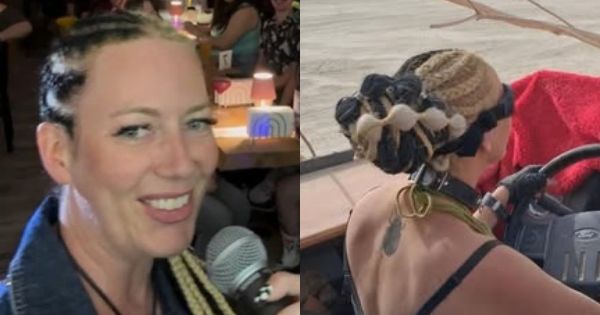
Nationwide — Kelly Carnes, a white executive from Baltimore, Maryland, was fired from the Baltimore Rock Opera Society after backlash over her decision to wear cornrows, leading to questions about whether Maryland’s CROWN Act could apply to her dismissal. She had recently become the organization’s executive director when a video of her wearing the hairstyle at a BROS event drew complaints about cultural appropriation.
Carnes had her hair styled in cornrows as a protective hairstyle while attending Burning Man in Nevada. After returning to Baltimore, she appeared in a video at a BROS event with the hairstyle. The video was later shared on social media, where members of the organization’s community raised concerns about a White woman wearing cornrows. BROS removed the video and said it took the complaints seriously. The organization also acknowledged that it should have explained why the video was removed, according to WBAL-TV.
The controversy led BROS to announce several changes. The organization said it would revise its anti-discrimination policy to address cultural representation and dress. It also planned to require anti-racism training for its leadership and create a working group focused on racial equity and inclusion. Carnes said the board then told her not to attend a town hall meeting about the controversy. She was fired days later and said she was told that she was “not a good fit.”
The timing of the firing has raised questions about whether Carnes could have a claim under Maryland’s CROWN Act. Attorney Jeremy Eldridge said BROS’ public comments about the hairstyle could become evidence if Carnes challenges her dismissal. He said the key issue would be determining what actually motivated the organization to fire her. The organization’s statements about the controversy could become significant if they suggest that her hairstyle influenced the decision.
Maryland enacted its CROWN Act in 2020, expanding state anti-discrimination protections to cover traits associated with race, including hair texture and certain hairstyles. The law specifically protects hairstyles such as braids, twists, and locks. It also applies to employment decisions, including hiring, workplace conditions, discipline, and termination. Still, the law does not by itself establish that Carnes was unlawfully fired. Any potential case would depend on evidence showing that a protected hairstyle or race-related reason played a role in the decision.
The controversy has also affected BROS’ leadership. Four of its six board members, including the chair, are expected to leave the organization at the end of the year. A BROS spokesperson said the organization was focused on supporting its internal community and declined to discuss Carnes’ dismissal further. The organization has not publicly provided a different explanation for the firing beyond its previous statements.