


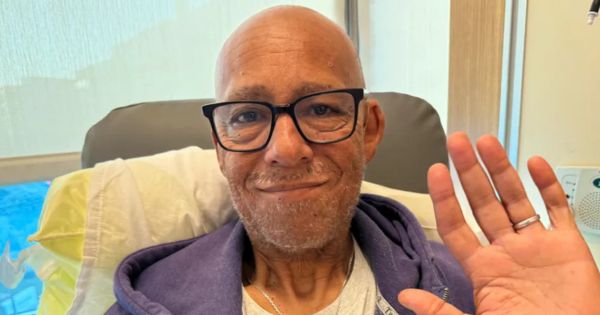
Nationwide — Ken Jones, a retired African American firefighter from San Francisco, has died at 71 after a battle with stage 4 lung cancer and repeated denials of his treatment claims by Blue Shield of California. His case drew attention after months of disputes over access to care.
Jones spent 17 years with the San Francisco Fire Department and later served as the department’s lead counselor. He supported firefighters dealing with trauma, illness, and high-stress calls, and colleagues described him as a constant source of support, especially during health struggles within the department.
In his final months, Jones and his medical team pushed for a treatment plan his oncologist believed was necessary. Dr. Matthew Gubens recommended a combination of chemotherapy and immunotherapy based on Jones’ condition and established guidance from the National Comprehensive Cancer Network guidelines.
According to NBC Bay Area, Blue Shield of California denied the requested treatment multiple times. The insurer said the plan did not meet its medical criteria for Jones’ specific cancer stage. Each denial led to delays as his condition continued to worsen while appeals were prepared.
Dr. Gubens said the appeal process itself became a major obstacle. He described long calls, unclear routing, and difficulty finding the right contact within the system. He eventually submitted written appeals, but those were also denied, resulting in further delays of several weeks.
“I believe, wholeheartedly, that they expedited his death,” said Jeanine Nicholson, the former chief of the San Francisco Fire Department and a close friend of Jones for roughly 30 years. “They should be ashamed.”
Jones’ case later reached city leaders. The San Francisco Board of Supervisors called in insurance representatives to City Hall to review how treatment approvals are handled and to discuss possible reforms for city employee healthcare coverage.
Blue Shield later said it was saddened by Jones’ death and extended condolences to his family, friends, and former colleagues. The company also plans to meet with firefighters’ union leaders and other advocates to continue discussions on potential changes.
Firefighters face higher cancer risks due to long-term exposure to smoke, soot, and other toxic materials. Research from the CDC National Institute for Occupational Safety and Health shows they have higher rates of cancer and cancer-related deaths compared to the general population. The World Health Organization classifies firefighting-related exposure as a carcinogenic occupational risk.