


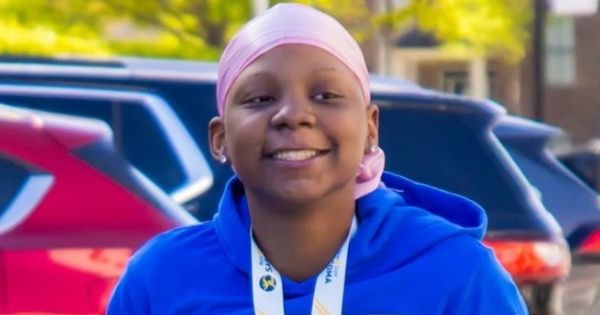
Nationwide — Kuleesha Jamison, the mother of Gakobe “Kobe” Milton, a teen who died from bone cancer at just 15, has turned her family’s loss into a fight to help other families facing childhood cancer. Her advocacy helped bring a new Georgia law that allows terminally ill high school students to receive their diplomas even when their medical conditions prevent them from completing graduation requirements.
Known as the Gakobe Milton Act, or House Bill 1284, the legislation was signed by Gov. Brian Kemp on May 5, 2026, and took effect July 1. Under the law, parents or guardians of eligible students can submit a written request and medical records to their local school superintendent. The school board must then ask the State Board of Education for a waiver of the remaining graduation credits within 14 days. If approved, the student can receive a high school diploma. Schools are encouraged to present diplomas while students are still alive, but the law also allows them to be awarded posthumously. Republican state Rep. Deborah Silcox sponsored the measure, which passed unanimously with 172 votes in the Georgia House and 48 in the Senate.
The legislation grew out of Kobe’s own experience with cancer. In 2022, at just 13, he was diagnosed with osteosarcoma after experiencing persistent pain in his leg. Despite the diagnosis and demanding treatment, he remained determined to continue his education. He often returned to school after chemotherapy and maintained A and B grades. He especially enjoyed math, with his mother joking that his love of money was part of the reason. Kobe also had big plans for his future. He dreamed of becoming a surgeon and working alongside his identical twin brother, Gioni. The two even imagined sharing the names “Dr. G and Dr. G.” When Kobe learned about his diagnosis, he remained composed and asked his doctors, “So what’s the next step?”
Kobe died on Dec. 10, 2024, at age 15. Before his death, his family arranged a special celebration where he wore a cap and gown as a 10th grader. They marked the occasion with ice cream cake, music and dancing. However, the school gave him a certificate of achievement instead of a high school diploma. For Jamison, that recognition did not reflect how hard her son had worked to keep up with his education while battling cancer. “When they gave him that certificate, it crushed my heart, because he worked so hard for that,” she recalled, according to 11Alive. The experience motivated her to push for a law that would give other terminally ill students the chance to receive the diplomas they worked toward, even if they could not finish their required coursework.
Her efforts have already made a difference for other families. Jamison said 10 children have received diplomas retroactively under the new law, in addition to Kobe. She hopes the legislation will spare other parents some of the disappointment her family experienced. She is also continuing her work through the Gakobe Strong Foundation, which supports families affected by childhood cancer, helps young people and raises awareness about the need for better treatments and cures. Jamison understands the difficulties parents face while caring for a sick child, including balancing hospital visits, family responsibilities and work. She wants to help families through those challenges while keeping the focus on improving outcomes for children with cancer.
Beyond Georgia, Jamison hopes other states will introduce similar laws so terminally ill students nationwide can receive the same recognition. She continues to honor Kobe’s memory through personal keepsakes she calls “little Kobe Strong” and “big Kobe Strong.” She also holds on to a copy of the legislation bearing his name and signed by the governor. Reflecting on what came from her loss, she said, “Behind every pain there is a purpose, that’s why the bill is in his name right now. So instead of a diploma, we got a whole bill!” Although Kobe never had the chance to become the surgeon he dreamed of being, his name is now part of a law that gives other young people the opportunity to have their academic efforts recognized.