


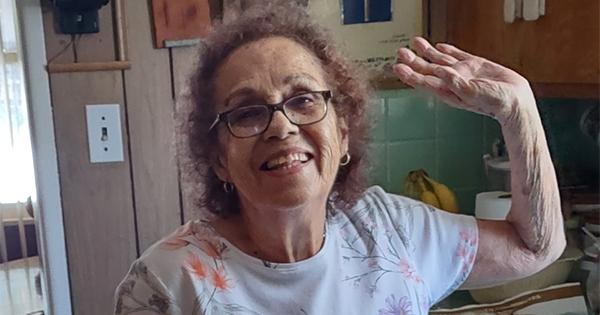
Nationwide — An African American family from Southern California continues to speak out after the death of 92-year-old Dolores Hernandez Owens, whose passing has been linked to complications from the antibiotic Clindamycin. Their story has drawn renewed national attention following a report by investigative journalist Liz Szabo of CIDRAP News, highlighting ongoing concerns about the drug’s risks—especially in dental settings where it continues to be widely prescribed despite decades of warnings.
Owens’ case has become a powerful example of a broader issue. Clindamycin has carried a black box warning for more than 40 years due to its association with severe and potentially fatal side effects, including Clostridioides difficile (C. diff) infections. These infections affect nearly half a million Americans annually and are linked to approximately 30,000 deaths each year. Despite this, dentists wrote more than 2.3 million prescriptions for the drug in just the past year.
Before her passing, Dolores Owens was living a full and independent life well into her 90s. Married for 45 years, she remained active in her home, cooking meals, maintaining her yard, and staying closely connected with her family and faith. She was known for preparing both Mexican and soul food dishes, tending to her garden, and sharing fresh fruit with loved ones. Her joyful spirit was often reflected in her love for gospel music, which would inspire her to dance and praise.
Her health took a devastating turn after a routine dental procedure, when she was prescribed Clindamycin. According to her family, the medication triggered complications that ultimately led to her death—an outcome they strongly believe could have been prevented. Now, they are determined to turn their grief into awareness, urging others to question and better understand the medications they are prescribed.
Medical experts have long warned that a significant percentage of antibiotics prescribed in dentistry may be unnecessary—some estimates suggest as high as 80%. Beyond increasing the risk of C. diff infections, overprescribing antibiotics contributes to antimicrobial resistance (AMR), a growing global health crisis associated with millions of deaths each year. Yet, unlike hospitals, many dental practices are not required to follow strict antibiotic stewardship programs.
Her children, the Flournoy family, is now calling for meaningful change, including greater public awareness about Clindamycin’s risks, stronger prescribing guidelines for dentists, improved coordination between medical and dental providers, and the inclusion of dental practices in antibiotic stewardship efforts. Backed by medical records and supported by expert reporting, they hope their story will prevent similar tragedies and push the healthcare system toward safer practices.
In her article, Liz Szabo of CIDRAP News revealed a list of do’s and don’ts to help others avoid the same tragedy:
#1 – Keep your mouth healthy
#2 – Don’t pressure your health care provider for antibiotics
#3 – Ask if antibiotics are truly needed
#4 – Ask about side effects and warning signs
#5 – Share your medical history with your dentist
#6 – Ask about taking a shorter course
#7 – Ask about delaying the antibiotic
#8 – Discuss allergies
She also discussed the family’s ongoing case on an episode of the Public Health on Call podcast.
Those interested in speaking with the family are invited to send an email to robert@loavesandfishesx10.com