


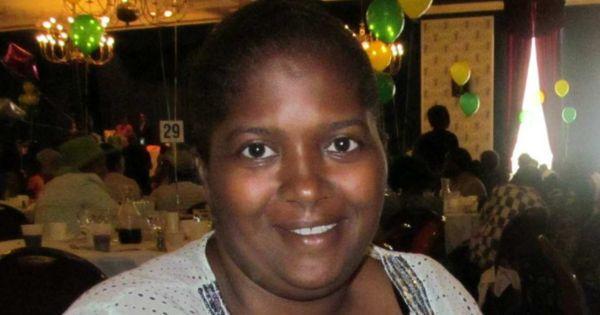
Nationwide — The family of Stacy Vaughn-Harrell, an African American woman killed in a police chase, is set to receive nearly $27 million after new body camera footage reveals that Chicago officers lied about pursuing the car that caused her death. The video shows actions that were not presented during the first trial.
Three years ago, a Cook County jury awarded Vaughn-Harrell’s family $10.2 million, but the city appealed and a new trial was ordered. The family never received a penny. Now, facing fresh evidence, city lawyers are negotiating a settlement almost three times higher to avoid another trial.
According to Atlanta Black Star, newly released footage shows Chicago cops denying they were chasing the Kia SUV that hit Vaughn-Harrell’s car in 2017. “The cover-up was wide,” said Lance Northcutt, the family’s attorney. Officers activated their lights only after the crash and falsely claimed they had just arrived at the scene.
The video also shows officers being told to turn off body cameras. Northcutt said investigators found officers whispering to each other to ensure cameras stayed off. This misconduct, if proven in court, could lead to serious consequences, including decertification or criminal charges for the officers involved.
Vaughn-Harrell, 47, was driving with her 21-year-old daughter when the Kia ran a stop sign and slammed into their car. She died, and her daughter was seriously injured. The fleeing SUV’s occupants were never caught, but the footage now shows police pursued them at high speeds in an unmarked car without sirens, against department policy.
City attorneys admit the new evidence could hurt their case if it goes to trial. Senior lawyer John Hendricks said the facts required “substantial reevaluation.” Facing potentially higher payouts, the city council’s finance committee approved the $27 million settlement. The full council will vote on it soon.
Northcutt called the new evidence “game-changing” and said a jury would see a much different story than in the first trial. If the case had gone to court, he suggested, the city could have faced more than $100 million in liability.