


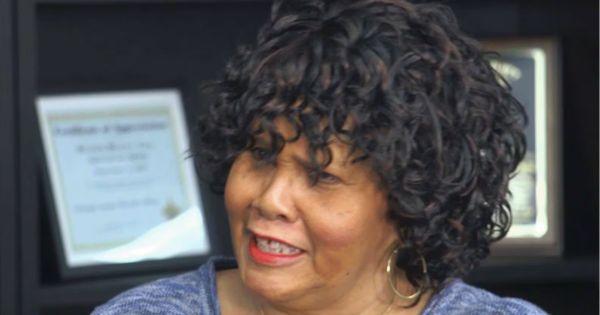
Nationwide — Crysta Willis, an African American grandmother from Cleveland, Ohio, got a fake call from someone claiming to be a deputy. The caller said her grandson had caused a crash and needed $5,000 for bail, but her grandson was with her at the time, so she quickly recognized the scam and refused to send money.
Scammers often target older adults by pretending a loved one is in trouble and needs urgent financial help. Agents with the Federal Bureau of Investigation’s local office say these fraudsters rely on fear and pressure to get victims to act fast without checking the facts.
In Willis’s case, the caller claimed her 20-year-old grandson had been in an accident and was at fault. He said she needed to wire $5,000 immediately so he could avoid spending the weekend in jail. Willis did not believe it because she already knew her grandson was safe at home.
“And I’m thinking to myself in the back of my head, this is going to be really cute because I know for sure my grandson is upstairs, but I’m gonna go with this,” she said, according to WDBJ.
Instead of hanging up, Willis stayed on the line and started asking questions. The caller would not give his name or say which department he was supposedly calling from. Willis, who works in community outreach at the Western Reserve Area Agency on Aging and is part of the Cuyahoga County Scam Squad, kept pressing for details.
Agents with the Federal Bureau of Investigation say the safest response is to stop and verify the situation directly with the family member before sending any money. They also stress reporting scams quickly through official channels like ic3.gov, which can help improve the chance of recovering funds if money has already been sent.
As Willis continued questioning him, the caller grew defensive and started to panic. He claimed she did not understand “how hard things are,” but she refused to back down or send any payment. The call ended without her losing any money.
“I’m just thinking in the back of my head, how many seniors fall for this and just give up their life savings for something like this and they’re just trying to help their grandchild,” Willis said.
Experts say these scams work because they create urgency around family emergencies, especially involving grandchildren. They recommend setting a family code word and making sure older relatives know to pause and verify before sending money.