


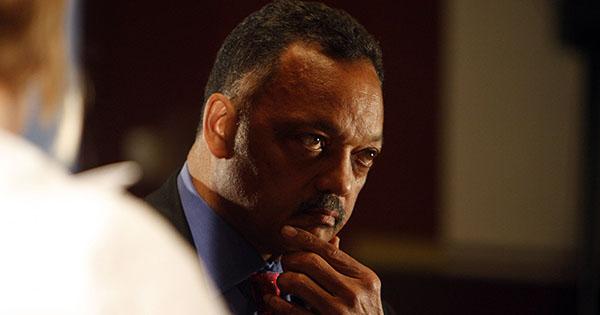
Nationwide — The Rev. Jesse Jackson, a towering figure in the modern civil rights movement, Baptist minister, and two-time Democratic presidential candidate, died Tuesday at the age of 84, his family announced. Surrounded by loved ones in his final moments, Jackson leaves behind a legacy that reshaped American politics and expanded the global conversation on justice, equality, and human dignity.
In a statement, his family described him as a “servant leader” who dedicated his life not only to his relatives but to “the oppressed, the voiceless, and the overlooked around the world.” They said his belief in justice and love inspired millions and urged supporters to continue advocating for the causes he championed. Civil rights leader Rev. Al Sharpton called his passing a monumental loss, describing Jackson as one of the nation’s most powerful moral voices — a man whose presence commanded attention in both boardrooms and jail cells, and whose faith never faltered.
According to NBC News, born in Greenville, South Carolina, Jackson rose to prominence during the height of the civil rights era, working closely with the Rev. Martin Luther King Jr. He participated in major demonstrations, including the 1965 Selma-to-Montgomery march, and became a key organizer within the Southern Christian Leadership Conference. After King’s assassination in 1968, Jackson continued the struggle, founding People United to Save Humanity (PUSH) in 1971 to promote economic empowerment and political engagement in Black communities. PUSH later merged with the National Rainbow Coalition to form today’s Rainbow/PUSH Coalition.
Jackson made history with his presidential campaigns in 1984 and 1988. In his first run, he won more than 18% of the primary vote and secured several primary and caucus victories, demonstrating the growing political influence of Black voters. Four years later, he expanded that base and won 11 contests. Though some Democrats criticized his platform as too progressive, Jackson insisted that uplifting the poor and near-poor was both urgent and necessary for the nation’s moral health.
Throughout his career, Jackson also played a diplomatic role on the international stage. He helped negotiate the release of American hostages and detainees abroad, including U.S. soldiers in Yugoslavia in 1999, a U.S. Navy pilot in Syria, and hundreds of civilians held in Iraq. In recognition of these efforts, President Bill Clinton awarded him the Presidential Medal of Freedom in 2000. Jackson also served as a “shadow senator” advocating for Washington, D.C., statehood and remained an outspoken voice on national politics well into his later years.
In 2017, Jackson publicly disclosed that he had been diagnosed with Parkinson’s disease and later battled progressive supranuclear palsy, a degenerative neurological condition. Despite health challenges in his final decade, he remained engaged in public life. Married to Jacqueline Brown since 1962, he is survived by his wife and five children, including former Congressman Jesse Jackson Jr. Public memorials are planned in Chicago, with additional celebration-of-life events to be announced.