


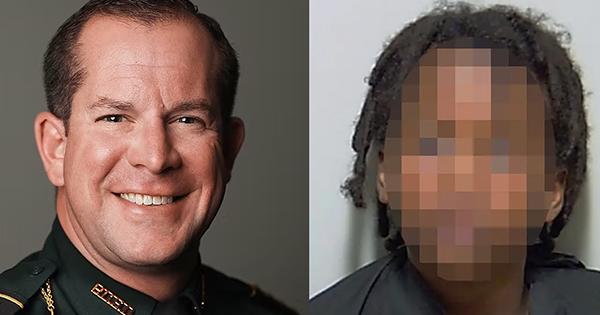
Nationwide — Sheriff Homer DeLoach III of the Putnam County Sheriff’s Office is under fire for publicly sharing the mugshot of a nine-year-old Black boy who was arrested and charged with a felony for allegedly bringing a knife to school and threatening classmates. The Facebook post by the Sheriff’s Office has since gone viral, sparking outrage and debate nationwide. Many are condemning the agency for what they see as the public criminalization of a child, especially a child of color.
According to the New York Post, the incident occurred on Oct. 9, when deputies say the boy got into a fight during recess, pulled a pocketknife from his backpack, and threatened to stab another student. Another classmate later reported that he approached him with the knife as well. The child was arrested and charged with aggravated assault with a deadly weapon without intent to kill, then released to a parent after being booked. The sheriff’s office also released the child’s full name, age, and mugshot, citing their existing policies and Florida law.
Critics quickly flooded the agency’s Facebook page with tens of thousands of comments expressing outrage over the public release of the child’s image and personal information. Many argued that posting a mugshot of someone so young could cause lasting psychological harm and hinder rehabilitation. Others speculated that bullying may have been a factor in the boy’s actions, while a smaller group defended the sheriff’s office, saying responsibility should be placed on the child’s parents or home environment.
In response to the backlash, the sheriff’s office pointed to a 2018 policy under which they release the mugshots of juveniles charged with felonies. They claim the policy has successfully reduced repeat offenses and helped parents stay informed. Under Florida Statute 985.04, juveniles charged with a felony are not entitled to confidentiality, meaning their name, photo, and arrest report can legally be shared. However, families can request that such photos be removed, and agencies can face penalties if they do not comply within 10 days.
Legal experts warn that publicly sharing the mugshot of a nine-year-old could have serious, long-term consequences for his mental health, educational opportunities, and rehabilitation prospects. Advocates also highlight how such practices contribute to racial disparities in the juvenile justice system. Research shows that Black children are far more likely to be disciplined, arrested, or referred to law enforcement in schools compared to their white peers.
National data underscores the systemic issue: in the 2015–2016 school year, Black students made up 15% of the student population but 31% of school-related arrests or referrals. Black girls, in particular, were four times more likely to be arrested than white girls and faced harsher punishments overall. Studies consistently show these disparities are not due to higher rates of misbehavior, but rather to unequal treatment and racial bias—issues this case has now thrust back into the spotlight.